
Florida Closing Costs: Doc Stamps, Intangible Tax, and More
Sergio Palmero, , 3 min read
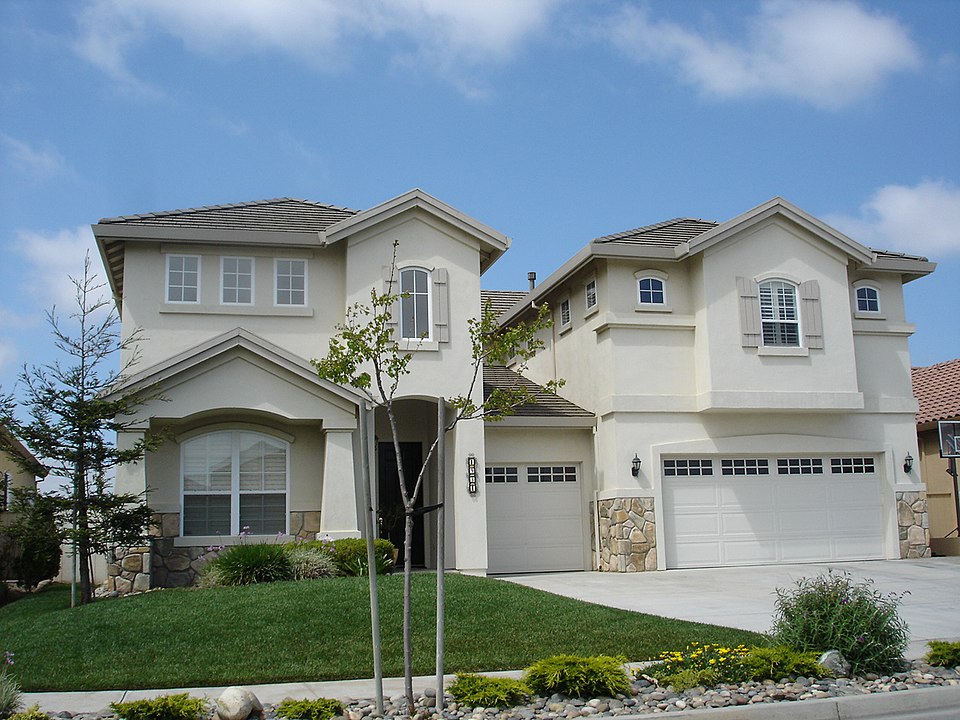
What Florida buyers pay at closing: doc stamps and intangible tax on the mortgage, the deed tax sellers usually cover, and how to read your estimate.
Most buyers plan for the down payment and are surprised by a second bill at closing. Two of the line items are Florida taxes tied to your mortgage, and a third is a tax the seller usually pays. Knowing which is which makes the numbers on your closing paperwork much easier to read.
The two taxes on your mortgage
When you finance a home in Florida and the mortgage is recorded, two state taxes apply to the loan. The lender collects them and passes the cost to you as part of your closing costs, as this law firm refresher explains.
- Documentary stamp tax on the note: 35 cents per $100 of the loan amount, under section 201.08.
- Nonrecurring intangible tax: 2 mills on each dollar financed, which is 0.2 percent of the loan, under section 199.133.
If you buy with cash and no mortgage, neither tax applies to you. Here is the math for a made-up purchase: a $400,000 home with a $380,000 loan.
- Doc stamps on the note: $380,000 divided by 100, times $0.35, equals $1,330.
- Intangible tax: $380,000 times 0.002 equals $760.
- Together, $2,090 before any other closing cost.
The deed tax, usually paid by the seller
A third tax applies to the deed itself: 70 cents per $100 of the price under section 201.02. By Florida custom, not by statute, the seller pays it, though your contract can say otherwise. On the same $400,000 sale it comes to $2,800 ($400,000 divided by 100, times $0.70). It will not appear in your cash to close, but it is part of what the seller nets, which matters when you negotiate.
Costs that vary from deal to deal
Everything else depends on your loan, your lender, and the property. Expect to see some mix of the following:
- Lender charges, such as an origination fee, and points if you choose to buy down your rate.
- An appraisal, and a home inspection you order for your own protection.
- A title search, title insurance, and recording fees. Who pays for the owner's title policy is a negotiated point, and local custom differs by county.
- Prepaid items and escrow deposits, such as your first homeowners insurance premium and part of a year of property taxes.
- Association fees or transfer charges if the home is in an HOA or condo community.
Prepaids and escrow deposits are not fees in the usual sense. They fund bills you would owe anyway, but they still raise the cash you need on closing day.
How to see your real number
Federal rules make this easier than it used to be. Your lender must give you a Loan Estimate within three business days of your application. It lists the loan terms and estimated closing costs in a standard layout, so you can compare lenders line by line. At least three business days before closing you must receive the Closing Disclosure, which shows the final numbers. Compare the two and ask about any line that grew.
Ways to bring the total down
- Get Loan Estimates from more than one lender and compare the totals, not just the rate.
- Ask whether seller credits toward closing costs make sense on your offer. Limits depend on the loan type, so check with your lender first.
- Shop for the services the Loan Estimate lets you choose, such as title and settlement services.
- Ask your lender to explain any fee you do not recognize before you sign.
Buying with FHA financing, or with creative financing, changes some of these numbers. The buying page and the creative financing guide cover those options, and Sergio can go through a real Loan Estimate with you if you reach out.
Sources
- Florida Statutes, section 201.08 (documentary stamp tax on notes)
- Florida Statutes, section 201.02 (documentary stamp tax on deeds)
- Florida Statutes, section 199.133 (nonrecurring intangible tax)
- Starfield and Smith: a refresher on Florida documentary stamp and nonrecurring intangible tax
- Consumer Financial Protection Bureau: Loan Estimate
- Consumer Financial Protection Bureau: Closing Disclosure
This article is general information about Florida real estate and is not legal, tax, or lending advice. Rules, rates, and limits change, so confirm the details with your lender, a Florida attorney or tax professional, and your county Property Appraiser before you act on them.
Photo: Wikimedia Commons
Have a question about your situation?
Talk it through with Sergio. He answers personally, in English or Spanish.
Book a Call